Great Migration Safari Itineraries Ideal for Travelers from America
Travelers from the United States often look for African safari experiences that are well-paced, clearly structured, and worth the long journey. Among all wildlife adventures, the annual Great Migration stands apart for its scale, movement, and unpredictability. Designing itineraries specifically for Americans means balancing flight logistics, comfort, and prime wildlife viewing. This guide presents fresh, non-repetitive insights into how these itineraries are structured and why they work so well for U.S. travelers planning a great migration safari.

Why Itineraries Matter More for American Travelers
Unlike short-haul visitors, Americans typically invest more time, money, and planning into an African trip. A well-designed itinerary ensures:
-
Minimal backtracking between parks
-
Strategic use of charter flights to save time
-
Gradual pacing to overcome jet lag
-
Lodges located near active migration zones
Rather than “covering everything,” the best itineraries focus on being in the right place at the right time.
Migration Zones That Shape the Itinerary
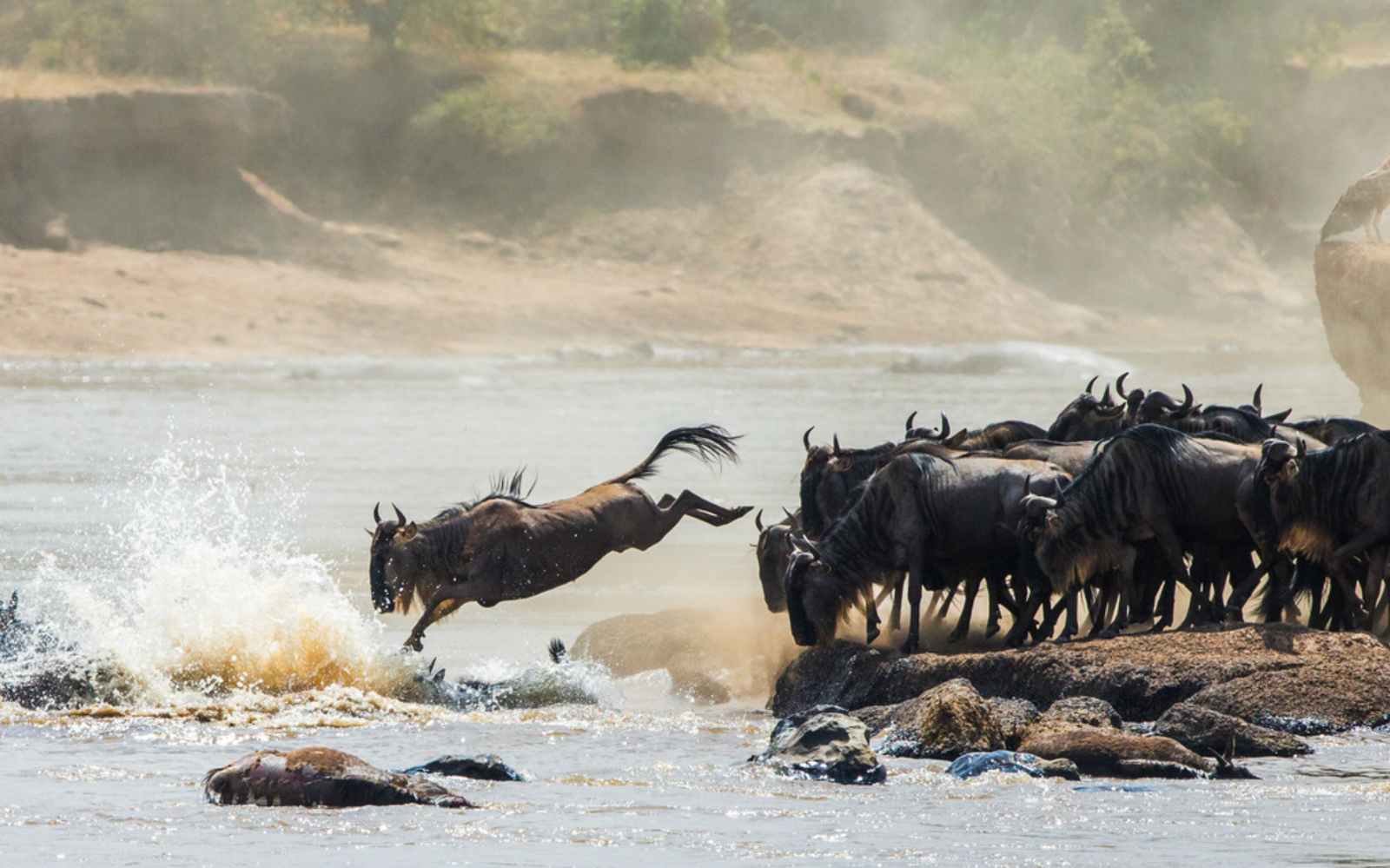
The Great Migration is not a single location but a moving phenomenon spread across iconic protected areas in Tanzania and Kenya.
Key regions include:
-
Southern Serengeti – Known for calving and predator action
-
Central Serengeti – Reliable year-round wildlife
-
Northern Serengeti – Seasonal river crossings
-
Masai Mara National Reserve – Famous for dramatic herd movements
American-focused itineraries are built around one or two of these zones rather than rushing through all of them.
Ideal Length Options for U.S. Travelers
8-Day Focused Migration Safari
This format suits travelers with limited vacation days.
-
One primary region (Serengeti or Masai Mara)
-
Short internal flights instead of long drives
-
High game-drive density with minimal transfers
This option delivers depth without exhaustion.
10–11 Day Cross-Border Safari
A popular choice for Americans visiting Africa for the first time.
-
Combination of Tanzania and Kenya
-
Fly-in safaris to reduce road travel
-
Diverse landscapes and wildlife behavior
It offers variety while maintaining a comfortable pace.
13–15 Day Slow-Paced Migration Journey
Designed for travelers who value immersion.
-
Multiple nights in each camp
-
Flexibility to follow herd movement
-
Time for cultural visits and photography
This itinerary is ideal for retirees, photographers, and repeat safari travelers.
Travel Flow from the United States
Most itineraries begin with international flights from the United States into major East African gateways, followed by light aircraft transfers.
Smart itinerary design includes:
-
Arrival nights near airstrips to reduce fatigue
-
Morning flights aligned with safari schedules
-
Departure planning that avoids rushed final days
This approach ensures travelers spend more time in nature and less time in transit.
Accommodation Strategy for Migration Safaris
For migration-focused trips, camp location matters more than luxury level.
-
Mobile Camps: Move with the herds for front-row viewing
-
Permanent Lodges: Offer stability and amenities for longer stays
-
Small Camps: Fewer vehicles at sightings, ideal for Americans seeking exclusivity
Itineraries often mix accommodation types to balance comfort and proximity to wildlife.
Customization Preferences of American Travelers
Safari planners often adapt itineraries based on common U.S. traveler preferences:
-
Private vehicles instead of shared game drives
-
Predictable daily schedules
-
Clear cost transparency
-
English-speaking naturalist guides
These elements make a great migration safari more accessible and enjoyable for American visitors.
What Makes These Itineraries Different
Unlike generic safari plans, U.S.-focused itineraries prioritize:
-
Fewer park changes
-
Strategic seasonal timing
-
Comfort after long-haul flights
-
Wildlife quality over quantity of destinations
This results in a smoother experience that feels curated rather than rushed.
Final Perspective
For travelers from America, the Great Migration is more than a wildlife event—it’s a once-in-a-lifetime journey that deserves thoughtful planning. Carefully structured itineraries reduce travel stress, maximize meaningful sightings, and align perfectly with U.S. travel patterns. When designed correctly, these journeys transform a long-distance trip into a seamless and unforgettable African adventure.
Read More: Serengeti Plain on a Map: How Its Landscape Shapes the Great Migration


Comments
Post a Comment